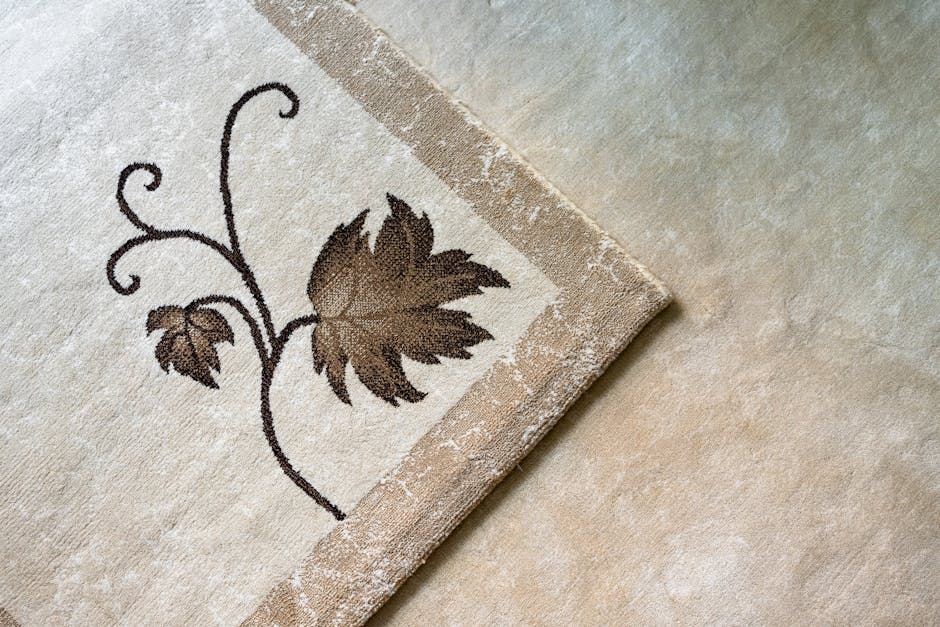
Rug cleaning for Dartmouth Park Road properties in Tufnell Park

If you live on Dartmouth Park Road, you'll know the feeling: a good rug quietly holds a room together, until one day it doesn't. Foot traffic, muddy shoes, tea splashes, pet hair, and that odd bit of London dust all build up. Rug cleaning for Dartmouth Park Road properties in Tufnell Park is really about bringing that room back to life without damaging the fibres, the backing, or the colours you chose in the first place.
This guide walks through how rug cleaning works, what matters in local homes and flats, what to avoid, and how to judge whether a rug needs light maintenance or a proper deep clean. If you're weighing up options, or simply want your rug to look less tired on a grey Tuesday morning, you're in the right place.
There's no mystery to it, but there is a right way and a rather messy wrong way. Let's get into the practical bit.
Why Rug cleaning for Dartmouth Park Road properties in Tufnell Park Matters
Dartmouth Park Road is full of lived-in homes, and that's part of the charm. Flats, maisonettes, family homes, busy households, people in and out all day - rugs in these properties tend to work hard. They collect grit from the pavement, fine dust from open windows, crumbs from the sofa-side tea ritual, and the occasional spill that seemed harmless at the time. A rug can look fine at a glance while quietly holding onto soil deep down in the pile.
That matters for a few reasons. First, dirt wears fibres down. Every time someone walks across a gritty rug, it's a bit like very mild sandpaper underfoot. Over time, the pile becomes dull and flattened. Second, a rug can trap odours and allergens. You may not notice them every day, but visitors often do. Third, stains become harder to remove the longer they sit, especially on wool, viscose blends, and older handmade pieces.
Local properties also bring a few practical quirks. Some homes on or near Dartmouth Park Road have narrow staircases, limited landing space, or awkwardly sized living rooms. That means the cleaning approach has to be careful and realistic. A rug that cannot easily be moved may need on-site treatment, while a more delicate piece might be better handled off-site where drying and inspection are easier to control. Simple enough, but worth thinking through before anyone sprays half a bottle of product and hopes for the best.
If your home includes other fabric surfaces too, it can make sense to look at related services such as carpet cleaning or upholstery cleaning at the same time. That way, the room feels genuinely refreshed rather than just tidied around the edges.
How Rug cleaning for Dartmouth Park Road properties in Tufnell Park Works
Professional rug cleaning usually starts with an inspection, not a machine. That sounds obvious, but it's the bit people skip when they're in a rush. A good cleaner will identify the fibre type, construction, dye stability, pile direction, and any weak points in the backing or fringe. Is it wool? Synthetic? Handmade? Natural fibre? Those details change everything.
Once the rug has been assessed, the cleaner chooses a method. The main goals are always the same: loosen the dirt, remove contamination safely, reduce residue, and dry the rug properly so it doesn't stay damp longer than necessary. The exact process varies, but it usually includes several stages:
- Dry soil removal through vacuuming or dust extraction
- Spot testing in an inconspicuous area
- Pre-treatment of stains or heavily soiled sections
- Controlled cleaning using the right solution and agitation
- Rinsing or residue removal, depending on the method
- Careful drying and final grooming of the fibres
One thing people often underestimate is how much dirt sits below the visible surface. A rug can look "a bit dusty" and still release a surprising amount of grit once it is properly worked on. That gritty material is what makes a rug age faster than it should.
Not every rug can be treated the same way. For example, a robust synthetic rug may tolerate a more direct wet cleaning method, while a wool rug needs gentler temperature control and close attention to pH. Delicate, antique, or hand-knotted rugs need extra caution. If in doubt, the safest route is to treat the piece conservatively first and build up only if testing shows it's appropriate. Truth be told, that's where experience pays off.
For homes that also need a broader refresh, a deep cleaning service can be a sensible complement. It's not identical to rug cleaning, but the same logic applies: remove embedded soil, don't leave residue behind, and let the item dry properly.
Key Benefits and Practical Advantages
The obvious benefit is appearance. A cleaned rug looks brighter, richer, and more defined, especially if the pile has been flattened by everyday use. But the real value goes beyond looking nice in the afternoon light.
Here's what good rug cleaning can do for a Dartmouth Park Road property:
- Restore colour depth by removing the grey film that builds up over time
- Improve indoor freshness by reducing trapped odours from pets, food, and general use
- Extend the life of the rug by removing grit that causes fibre wear
- Support a cleaner home environment for households with children, pets, or allergy concerns
- Protect your investment if the rug is handmade, wool, or otherwise valuable
- Make rooms feel calmer because the floor no longer looks tired and patchy
There's also a practical side. A freshly cleaned rug can help a room photograph better, which matters if you are preparing to rent, sell, or simply update a home that's starting to look a bit worn around the edges. That doesn't mean you need a showroom finish. It just means the space feels cared for. And people notice that.
For some homes, rug cleaning is part of a wider reset after guests, renovations, or seasonal clutter. In those cases, services such as one-off cleaning may be worth considering alongside the rug itself.
Who This Is For and When It Makes Sense
Rug cleaning makes sense for more people than you might think. It is not just for obvious stains or expensive antiques. If the rug sits in a busy area, chances are it needs proper care sooner than later.
This is especially relevant if you:
- Live in a flat or house on Dartmouth Park Road with regular foot traffic
- Have children, pets, or frequent visitors
- Notice flattening, dullness, or dark patches in the pile
- Can smell lingering odours after vacuuming
- Have bought a second-hand rug and want a fresh start
- Are preparing a property for viewings, tenancy changes, or seasonal guests
- Own a wool, Persian-style, handwoven, or decorative rug that needs careful handling
Sometimes the trigger is simple: one coffee spill, one muddy entrance, one rainy week. London weather has a way of making the floor suffer without much warning. A lot of people wait until a stain becomes "obvious enough" to deal with, which is understandable, but not ideal. The earlier you act, the better the result tends to be.
If you are comparing cleaning options for a full household refresh, it may help to look at domestic cleaning as a broader solution for day-to-day upkeep, while rug cleaning handles the fibres that need a more targeted approach.
Step-by-Step Guidance
Here is the practical version of how a careful rug clean should unfold. Not glamorous, but useful.
- Identify the rug
Check the fibre, size, construction, and any label or care notes. If you do not know what the rug is made from, assume it needs a cautious test first. That one small assumption can save a lot of trouble. - Vacuum thoroughly
Remove loose soil before any liquid treatment. This matters more than people think. Wetting grit into the pile can make the rug harder to clean and more difficult to rinse. - Test for colour stability
Always check dyes in a hidden corner. A safe-looking rug can still bleed if the wrong solution is used. It's a small step, but a very wise one. - Pre-treat stains carefully
Use the least aggressive method that might work. Start gentle. You can always do more; you cannot easily undo over-treatment. - Apply the cleaning method
This might involve low-moisture cleaning, controlled washing, or another suitable approach. The cleaner should work evenly and avoid soaking the rug unnecessarily. - Remove residues
A common mistake is leaving detergent or cleaning solution behind. Residue can attract dirt later and make the rug feel sticky or stiff. - Dry with care
Drying matters as much as cleaning. Poor drying can cause odours, fibre distortion, or in worse cases, mould growth. A rug should feel properly aired before it goes back into daily use. - Finish and inspect
The pile should be lifted where needed, fringes checked, and the overall finish reviewed in good light. Morning light near a window can be revealing. Sometimes annoyingly so.
For rugs that sit in awkward spots, a local cleaner may need to plan access around stairs, hallways, or narrow entryways. That is normal in older London properties. Nothing dramatic, just a little logistics.
Expert Tips for Better Results
A few small choices can make a big difference. These are the bits that separate an average clean from a genuinely useful one.
1. Deal with spills early. Blot, do not rub. Rubbing pushes the stain deeper and can distort the fibres. If you catch a spill straight away, you give yourself a much better chance of a clean result.
2. Rotate rugs regularly. Sunlight and foot traffic do not hit every section evenly. A rotation every so often helps prevent one side from ageing faster than the other.
3. Use the right underlay. A decent rug pad reduces movement, which protects both the rug and the floor beneath it. It also makes vacuuming less annoying. That alone is worth something.
4. Be cautious with homemade mixtures. Vinegar, washing-up liquid, baking soda, and similar fixes are often suggested online. Sometimes they help, sometimes they make things worse. On delicate rugs, they can be risky. Best not to improvise unless you are sure.
5. Control humidity after cleaning. If a rug has been wet cleaned, ventilation matters. Open windows a little if conditions allow, use airflow wisely, and avoid placing the rug back in a damp corner.
6. Think about the whole room. If a rug is cleaned but the nearby sofa, curtains, or carpet are dusty, the room may still feel half-finished. A proper clean should fit into the room's wider condition, not fight it.
In our experience, the best results come from patience rather than force. More product is not always better. More scrubbing definitely isn't. A calm, methodical approach wins nearly every time.
Common Mistakes to Avoid
Some mistakes are harmless enough. Others are the sort that turn a simple clean into a repair job. Let's avoid the second category.
- Over-wetting the rug - too much moisture can affect backing, dyes, and drying time
- Using the wrong stain remover - what works on one fibre can damage another
- Scrubbing aggressively - this frays fibres and can spread stains wider
- Skipping the dry soil removal stage - vacuuming first is essential, not optional
- Cleaning without testing - a hidden colour run is not a pleasant surprise
- Reusing the rug too soon - damp rugs need enough time to dry fully
- Ignoring fringes and edges - these areas often show wear first and need careful handling
One of the most common issues is plain impatience. Someone notices a mark, reaches for the nearest bottle, and hopes for the best. To be fair, most people have done that at least once. The problem is that rugs are less forgiving than kitchen counters. They remember.
Another frequent issue is choosing a cleaning method based on the stain alone, rather than the rug itself. A red wine spill on a wool rug is a different task from the same spill on a synthetic flatweave. Same stain, different game.
Tools, Resources and Recommendations
The right tools make rug cleaning safer and more consistent. You do not need a truckload of kit in your home, but some essentials help whether you are doing light maintenance or arranging a professional service.
| Tool or resource | Why it helps | Best use case |
|---|---|---|
| Vacuum with adjustable suction | Removes loose dirt without pulling fibres too hard | Routine care before and between professional cleans |
| White absorbent cloths | Useful for blotting spills without transferring dye | Fresh stains and moisture control |
| Soft brush or pile groomer | Helps lift fibres after cleaning | Finishing and appearance recovery |
| Gentle fibre-safe cleaning solution | Reduces risk on delicate rugs when chosen correctly | Spot treatment or light maintenance |
| Good ventilation | Supports safe drying and helps prevent odours | Any wet-cleaned rug |
| Professional assessment | Identifies fibre type, dye risks, and suitable methods | Handmade, valuable, or uncertain rugs |
For some households, the simplest recommendation is also the smartest: use a trusted rug cleaning service when the rug is valuable, the stain is stubborn, or the material is not obvious. There is no prize for taking unnecessary risks with a good rug.
If you are also managing other household fabrics, services such as sofa cleaning can help keep the room balanced. One immaculate rug in an otherwise tired lounge can feel a little odd, frankly.
Law, Compliance, Standards, or Best Practice
Rug cleaning is not usually a heavily regulated service in the way some trades are, but there are still sensible standards and responsibilities that matter. A reliable cleaner should work safely, handle chemicals responsibly, and respect the property they are entering. That includes care around floors, stairs, electrics, and any vulnerable surfaces nearby.
In practical terms, the main best-practice expectations are straightforward:
- Use cleaning products suitable for the rug type and surface condition
- Carry out testing before broader treatment
- Work in a way that avoids unnecessary moisture or residue
- Protect the customer's home during the process
- Follow sensible health and safety procedures
- Be clear about limitations if a rug is fragile, stained beyond full recovery, or at risk of colour loss
It is also reasonable to ask whether a provider is insured, how they approach safety, and what their complaints process looks like if something does not go as expected. You should not need to ask twice. If a company is happy to explain its approach to insurance and safety, that is usually a reassuring sign.
Likewise, transparency around pricing and quotes helps you avoid awkward surprises. Clear information upfront is boring in the best possible way. Exactly what you want.
Options, Methods, or Comparison Table
Not every rug needs the same kind of treatment. The right method depends on the fibre, the condition, and the outcome you want. Here is a simple comparison to help frame the choice.
| Method | Best for | Advantages | Watch-outs |
|---|---|---|---|
| Vacuum-led maintenance | Routine care and light dust removal | Quick, safe, low disruption | Will not remove deep stains or heavy soil |
| Spot treatment | Fresh spills and isolated marks | Targets the problem area directly | Can spread stains if done badly |
| Low-moisture cleaning | Many synthetic or moderately soiled rugs | Shorter drying time, less saturation | May not be enough for heavy contamination |
| Full wash or immersion-style cleaning | Suitable rugs with deep embedded dirt | Thorough soil removal, stronger refresh | Needs expertise and proper drying control |
| Specialist treatment | Antique, handmade, wool, or delicate rugs | Tailored to the rug's condition | Usually more time-consuming and detailed |
Sometimes the right answer is not the fanciest method. It is the one that protects the rug and gets it properly clean. Simple as that.
Case Study or Real-World Example
Here's a typical local scenario. A family in a Dartmouth Park Road flat had a medium-sized wool rug in the living room. It looked broadly fine, but it had started to feel flat underfoot and had picked up a faint stale smell near the sofa. There was also a coffee mark from weeks earlier that had faded into the background rather than disappearing.
The first step was an inspection. The rug was checked for fibre type, and the stain area was tested carefully. It turned out the rug could tolerate a gentle wet clean, but not an aggressive one. Dry soil was removed first, then the coffee mark was treated, and the whole piece was cleaned in a controlled way before being dried with good airflow. Nothing dramatic. Just patient, careful work.
The result was not a magical transformation into a showroom piece, because that is rarely realistic. But the rug looked brighter, the pile stood up better, and the room smelled fresher. Most importantly, the family could use the space without feeling like something in the room was quietly stale. Small change, big difference.
That is often what good rug cleaning is supposed to do: restore the room's natural feel without overdoing it. You should still recognise your home afterwards. Just a better version of it.
Practical Checklist
Before arranging rug cleaning, run through this checklist. It saves time and helps you make better decisions.
- Identify the rug material if possible
- Check for loose stitching, fraying, or edge damage
- Note any stains, odours, or colour changes
- Vacuum the rug gently before moving or treating it
- Decide whether the rug can be cleaned on-site or needs specialist handling
- Ask about drying time and access requirements
- Confirm whether the cleaner will test for dye stability
- Make sure nearby furniture can be moved or protected if needed
- Ask for a clear quote and scope of work
- Plan where the rug will dry afterwards
Quick takeaway: the cleaner who asks a few careful questions before starting is usually the one you want. That level of attention matters more than flashy promises.
Conclusion
Rug cleaning for Dartmouth Park Road properties in Tufnell Park is not just about making a floor covering look better. It is about protecting the fibres, lifting the feel of a room, and dealing properly with the real conditions of everyday London living. Dust, traffic, spills, pets, weather, and a bit of life all leave a mark. That is normal. The point is to handle it in a way that is safe, sensible, and effective.
If your rug is dull, stained, or simply overdue for attention, the best next step is to assess the material, decide how delicate it is, and choose a method that suits the rug rather than forcing the rug to suit the method. A thoughtful clean lasts longer. It just does.
If you are comparing options or want to plan the job properly, take a look at the service details, ask sensible questions, and choose the approach that feels calm and clear. Get a free quote today and see how much you can save.
And if nothing else, there is something quietly satisfying about seeing a good rug return to itself. A room can feel lighter almost at once. A bit of relief, really.
Frequently Asked Questions
How often should rugs be cleaned in Dartmouth Park Road homes?
It depends on traffic, pets, and where the rug sits. High-use rugs in living rooms or hallways may need professional attention more often than decorative pieces in quieter rooms. Regular vacuuming helps, but it does not replace deeper cleaning when soil builds up.
Can all rugs be wet cleaned?
No. Some rugs tolerate wet cleaning well, while others need very cautious moisture control or a different method altogether. Wool, handmade, antique, and delicate natural-fibre rugs are especially worth checking first. Testing matters more than guessing.
What is the safest way to deal with a fresh spill?
Blot gently with a clean white cloth and avoid rubbing. Rubbing can push the spill deeper into the fibres and spread it wider. If the stain is significant, a professional assessment is usually the safer option.
How long does a cleaned rug take to dry?
Drying time varies by method, fibre, room conditions, and ventilation. A lightly treated rug may dry fairly quickly, while a deeper clean can take longer. Proper drying is important, so it should never be rushed.
Will rug cleaning remove pet odours?
Often, yes, if the odour is in the rug fibres or backing and the cleaning method is appropriate. Very deep or long-standing smells may need more careful treatment. The sooner the rug is addressed, the better the outcome tends to be.
Is rug cleaning worth it for a mid-range rug?
Usually, yes, if the rug is part of the room's appearance and comfort. A mid-range rug can still look and feel much better after cleaning, and regular care may extend its usable life. The value is not only financial; it is also about how the room feels.
Can professional cleaning help with flattened pile?
Yes, to a degree. Cleaning can remove dirt that weighs the fibres down and a good finish can help lift the pile again. Very worn or crushed areas may not fully recover, but they often improve noticeably.
Do I need to move furniture before rug cleaning?
Sometimes, yes. It depends on the rug location and access. A cleaner may be able to work around light items, but heavier furniture often needs to be shifted or protected. It is best to ask in advance so there are no surprises on the day.
What should I ask before booking a rug cleaner?
Ask what fibre types they handle, how they test for dye stability, whether they are insured, how long drying may take, and whether their quote covers stain treatment. Clear answers are a very good sign.
Is there a difference between rug cleaning and carpet cleaning?
Yes. Rugs are portable and often made from more varied materials than fitted carpets, so they may need different products, different drying control, and more careful handling. A cleaner who understands both is usually better placed to choose the right approach.
Can rug cleaning help if I am preparing a property for sale or letting?
Absolutely. A clean rug can make a room look brighter and more cared for, which helps the overall presentation. It is one of those small changes that can quietly improve first impressions. Not glamorous, but effective.
What if my rug is antique or handmade?
Then caution comes first. Antique and handmade rugs often need specialist assessment because of their dyes, fibres, and construction. In those cases, gentle treatment and clear communication matter far more than speed.
If you want a cleaner, fresher rug without the guesswork, the sensible move is to choose a careful approach and let the fibres tell the story they are ready to tell.